How to Recognize Real Dance Training
9 Signs Your Child Is in the Right Studio
As dance studio owners, we're often asked what makes one studio different from another.
It's a fair question!
Most studios have talented teachers.
Most studios have recitals.
Most studios have costumes, trophies, and boast themselves as “award-winning” studios.
So how do you know if your child is receiving real training?
The truth is, real dance training isn't always obvious in a single class or even a single season.
It's something that reveals itself over time.
Here are some of the things we believe parents should look for in their dance studio:
1. Small Classes Make a Big Difference
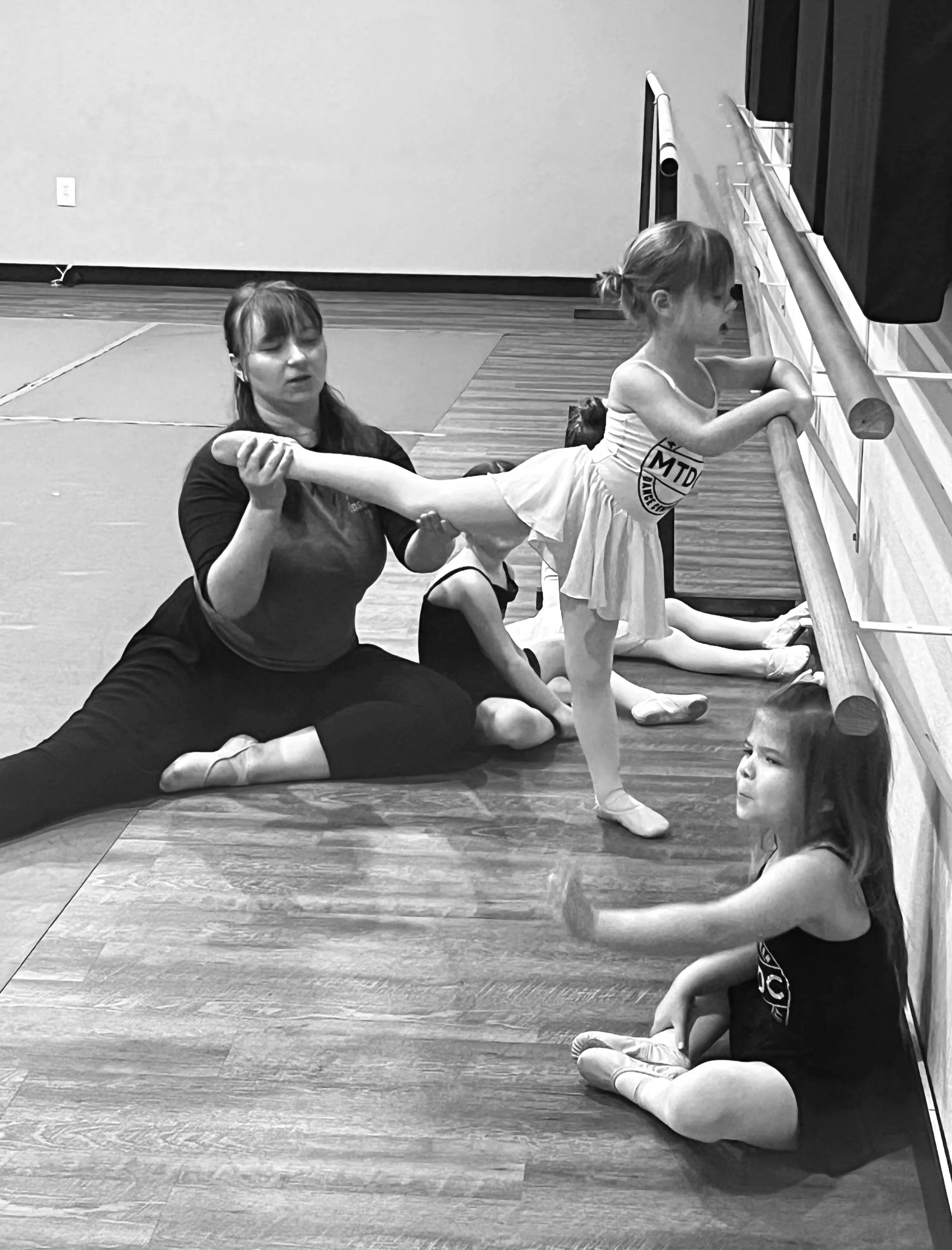
It's difficult to correct technique, answer questions, and provide meaningful feedback when too many students compete for a single teacher's attention. And it’s almost impossible to provide the value dancers deserve with classes that are too full.
Smaller classes allow instructors to truly teach. Students receive more corrections, more encouragement, and more individualized guidance.
And in dance, those little corrections add up over time.Recommended class sizes to look for:
3-year-olds: 5-6 in the class
4-year-olds: 6-8 in the class
5-6 year olds: 8-10 in the class
7 & up: 10-15 in the class
2. Growth Isn't Linear, But It's There
One of the biggest misconceptions about dance training is that progress should happen quickly and consistently.
It usually doesn't.
Some skills click immediately. Others take months…or even years. There will be moments when your dancer seems to improve overnight, and moments when it feels like they're stuck… that's normal. Just as children’s growing bodies are constantly changing, so are they as dancers. Expecting consistent, quick improvement sets them up for failure and ignores the cues their bodies and minds are giving us.
What matters is that when you look back six months, a year, or three years later, the growth is undeniable. You reflect on where they were this time last season and say, “Wow!”
Real training produces progress, even when that progress isn't happening in a straight line.
Also, be careful of super-fast growth in a short amount of time.
In a world that celebrates overnight success, dance doesn't work that way.
Real training is a long game.
The strongest dancers aren't usually the ones who advanced the fastest. They're the ones who built a foundation so solid that they could continue growing long after others plateaued. Be cautious of programs that promise rapid advancement. In dance, just like in academics, athletics, or music, mastery takes time.
There are no shortcuts around quality training.
3. Training Should Show on Stage
Recitals are exciting. Competitions are exciting. But performances should be the result of training, not a substitute for it.
When dancers take the stage, you should be able to see the work they've put in throughout the year:
Strong technique
New skills from the prior season
Skills, not just movement
Musicality
Confidence
Attention to detail
The stage doesn't create those things.
The classroom does.
4. Your Dancer’s Confidence Is Growing
Confidence is one of the most common reasons parents enroll their children in dance. But real confidence isn't built by constantly telling children they're amazing.
It's built by helping them accomplish things they once thought they couldn't do. When a dancer finally nails a turn they've been working on for months, performs in front of an audience despite being nervous, or receives correction and keeps going anyway, that's where confidence comes from.
The best confidence is earned confidence.
If your dancer is struggling with confidence due to the class setting, instructor, or something else related to the studio, it’s time to schedule a meeting with the studio director to find out what’s going on. This doesn’t always mean that there is a problem in the classroom, but it could.
5. Safety Matters
Dance is a physical activity, and like any sport, injuries can happen.
But quality training prioritizes proper warmups, technique, body awareness, strength, flexibility, and safe progressions. When dancers are taught correctly, they're better equipped to take care of their bodies and perform safely for years to come. A good training program isn't just about what dancers can do today…it's about keeping them healthy enough to keep doing it tomorrow.
Parents should feel comfortable requesting proof of CPR/first aid certification and any other relevant training that confirms staff are qualified to work with children.
6. Clear Pathways to Next Level
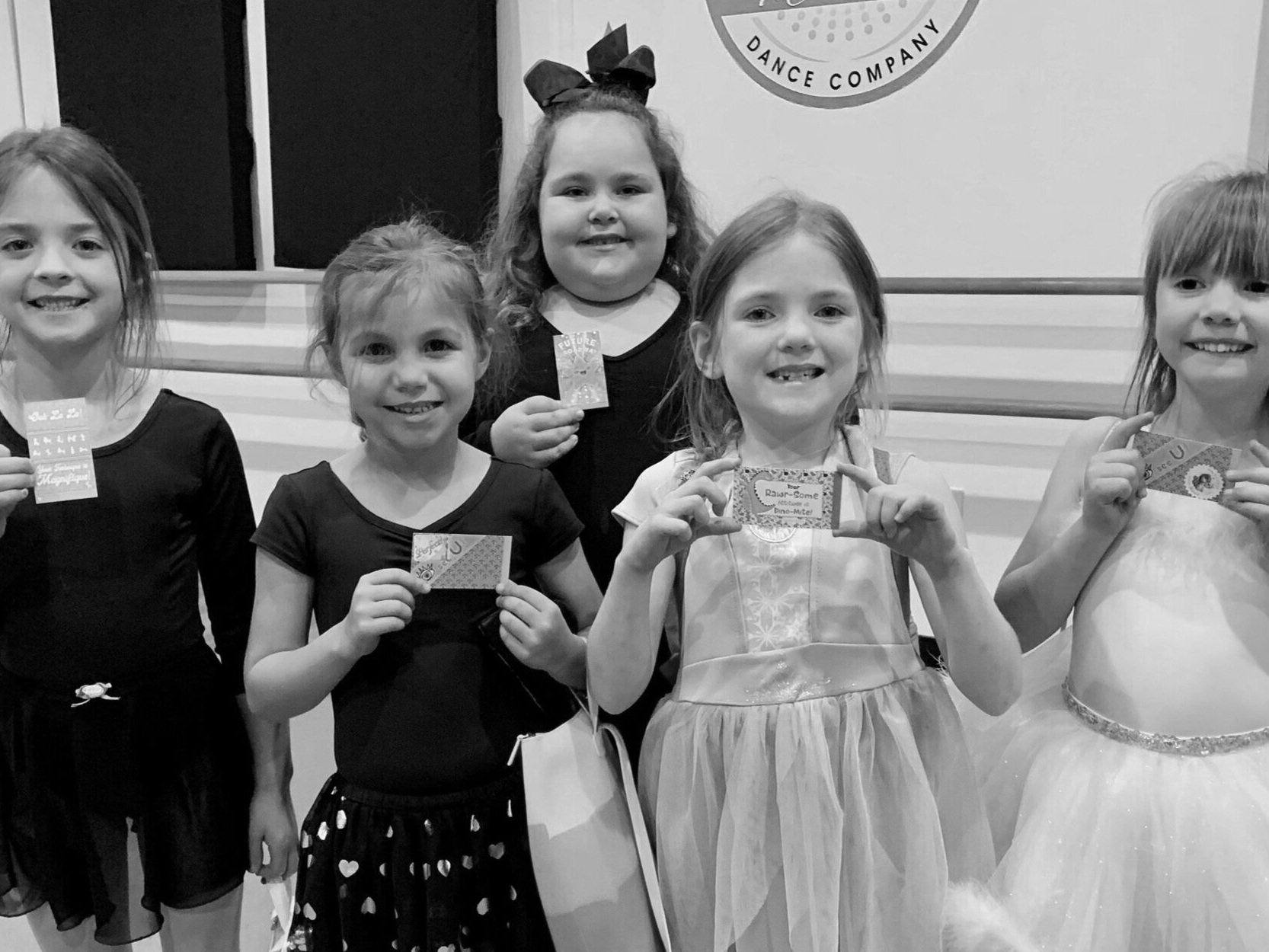
One thing we believe strongly is that students should always know what they're working toward.
Whether a dancer wants to take a few classes a week, compete, become a leader in the studio, teach someday, or pursue dance professionally, there should be a clear pathway available to them.
How long will it take them to get to the next level?
What skills do they need to work on?
What classroom expectations are needed?
Growth doesn't happen by accident. The best programs provide direction and opportunity and regular advancement that not only builds confidence in that dancer, but gives them the proper pathway to success.
7. Technique Is the Foundation
Dance trends come and go.
Styles evolve.
Music changes.
But technique remains.
The dancers who continue to improve year after year are the ones who have a strong technical foundation underneath everything they do. That's why technique should never be treated as an afterthought. It's the foundation that supports every leap, turn, trick, and performance.
8. Progress Is Measured
If training is happening, there should be evidence of it.
Students should be receiving feedback, goals should be set, achievements should be recognized, and growth should be visible.
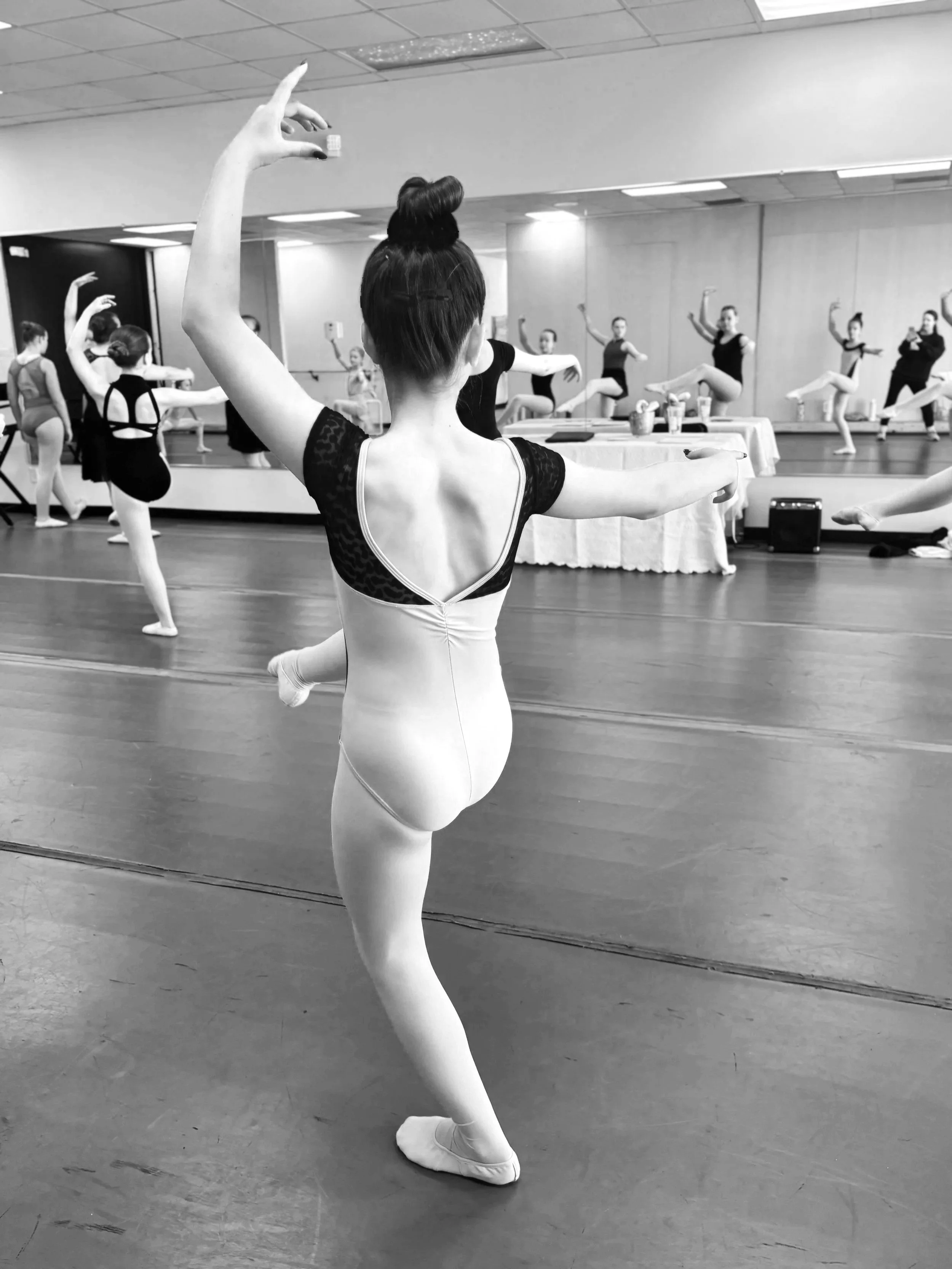
The best studios don't simply assume students are improving; they actively track, evaluate, and celebrate that improvement.
Does your studio have a system for advancement? Is there a clear understanding of how dancers move to the next level, or what the requirements are to get there?
9. Commitment Still Matters
Although the last one, it might just be the most important.
Talent is wonderful.
But commitment is what creates results.
The dancers who improve the most are rarely the ones who have everything come naturally.
They're the ones who show up.
They keep working.
They stay consistent.
And they learn that success is often the result of effort repeated over time.
Find a studio that considers “commitment” one of the most important aspects of dance and training.
That's a lesson that extends far beyond dance.
Final Thoughts
At the end of the day, real dance training isn't about having the flashiest recital, the biggest social media following, or the most impressive costume.
It's about growth, structure, and trust.
It's about helping young people become more confident, more capable, more disciplined, and more resilient than they were when they walked through the door.
Those things don't happen overnight!
But when they're happening, you can see them.
And that's how you recognize real dance training.